
The Other Face of Kabaddi: A Test of Rules, Numbers and Institutions
कैप्सूल सारांश: यह रिपोर्ट कबड्डी के खेल-तकनीकी और संस्थागत ढांचे की समीक्षा है, किसी विशिष्ट मैच की खबर नहीं। मुख्य बिंदु—(1) नियम: रेड (30 सेकंड सीमा), टैकल, कांट (लगातार 'कबड्डी' उच्चारण), बोनस लाइन (विरोधी टीम में 6+ खिलाड़ी होने पर 1 अंक), ऑल आउट (2 अतिरिक्त अंक और पूर्ण पुनर्जीवन), डू-ऑर-डाई रेड (दो खाली रेड के बाद तीसरी रेड)। (2) स्टैंडर्ड स्टाइल (PKL, एशियाई खेल) और सर्कल स्टाइल (पंजाब ग्रामीण सर्किट) को अलग-अलग समझना जरूरी; दोनों की स्कोरिंग अलग है। (3) आंकड़े: कुल रेड पॉइंट्स (वॉल्यूम) के बजाय सक्सेसफुल रेड प्रतिशत और प्रति रेड औसत अंक (एफिशिएंसी) देखें; डिफेंस में टैकल सक्सेस दर और एरर रेट देखें। (4) जोखिम: स्टार रेडर पर एकल निर्भरता और कमजोर बेंच डेप्थ सबसे बड़ा खेल-जोखिम; बड़ी नीलामी कीमत का मूल्यांकन दो सीज़न के प्रदर्शन से करें। (5) वाणिज्यिक: प्रसारण एकाग्रता (सिंगल ब्रॉडकास्टर पर निर्भरता) सबसे बड़ी कमजोरी; स्पॉन्सरशिप विविधता जरूरी। (6) गवर्नेंस: महासंघ स्थिरता, एंटी-डोपिंग, आयु-धोखाधड़ी और रेफरी मानकीकरण पर स्पष्ट प्रक्रिया आवश्यक। (7) अंतरराष्ट्रीय क्रम: भारत के बाद ईरान स्थापित शक्ति; बांग्लादेश और दक्षिण कोरिया बढ़त में। (8) दीर्घकालिक जोखिम: प्रोफेशनल महिला लीग का अभाव, जिससे प्रतिभा-पाइपलाइन का आधा हिस्सा बाहर रह जाता है। (9) ट्रांसमिशन: PKL का फ्रैंचाइज़ी-नीलामी-प्राइमटाइम मॉडल बैडमिंटन, कुश्ती, वॉलीबॉल और टेबल टेनिस लीगों के लिए नमूना बना। मुख्य निष्कर्ष: कबड्डी का भविष्य ग्लैमर से नहीं, नियम-स्पष्टता, आंकड़ों की गहराई और संस्थागत जवाबदेही से तय होगा।
In the past decade, kabaddi has become one of the few Indian sports to secure a permanent place in television prime time. The franchise model, the auction and the prime-time broadcast formula that worked for cricket were applied to kabaddi as well, and today that template has become a model for leagues in badminton, wrestling, volleyball and table tennis. But amid this growing visibility, one fundamental question remains unanswered—is the sport paying as much attention to the clarity of its rules, the honesty of its statistics and the strength of its institutions as it is to glamour and broadcast? This report is not the story of a single match or a single player, but a review of the structure in which kabaddi is now played and sold.
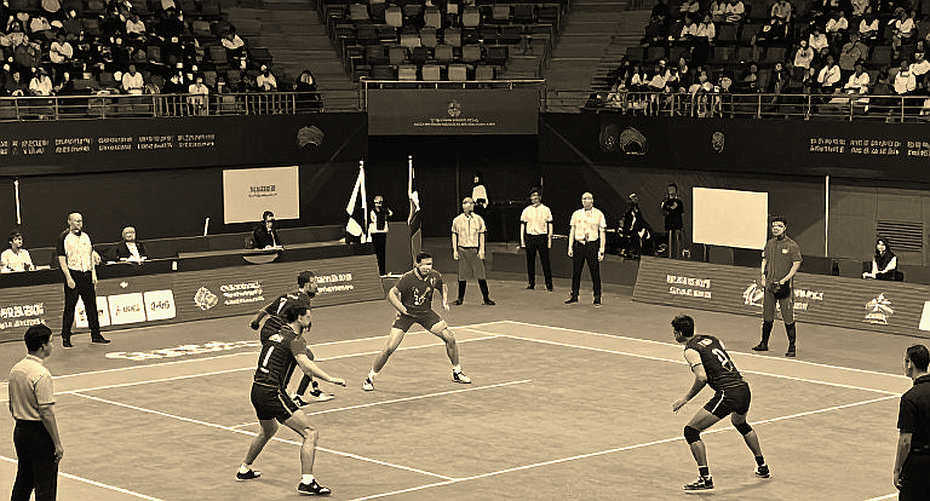
Rules first, everything else after. Three things are essential to understanding kabaddi—the raid, the tackle and the cant. The raider enters the opponent's court within a 30-second limit and returns safely to his own half after touching a defender; failure to return or being caught means he is out. The defending team collectively stops the raider in its own court to earn a point. During the raid the raider must continuously chant 'kabaddi-kabaddi'—this is the cant—and if the chant breaks, the raid is void. There is also the bonus line rule, under which crossing the line deep in enemy territory earns one point, but only when the defending side has six or more players on court. In an 'all out', when an entire team is dismissed, the opponent gets two extra points and the full team is revived. And the 'do-or-die raid' is the third raid after two consecutive empty raids—failing to score in it puts the raider out.
One distinction is often blurred in reporting: standard style versus circle style. The Pro Kabaddi League and the Asian Games use standard style, while the rural Punjab circuit uses circle style. The two differ clearly in scoring and raid structure, so reporting them as the same thing is technically misleading. Translation errors are another problem—the random use of 'raider', 'attacker' and 'assaulter', or turning 'do-or-die' into 'decisive raid', weakens viewer understanding.
Now the numbers. The biggest flaw in kabaddi coverage is that success is measured by volume, not efficiency. It is easy to state a raider's total raid points, but the question is what his successful raid percentage is, what his average points per raid are, and how he performs in difficult situations. Raiders such as Pardeep Narwal are often compared only on total points, whereas the real difference emerges in raid efficiency and in do-or-die situations. The same applies in defence—the value of defenders such as Fazel Atrachali should be judged not by the number of tackle points but by tackle success rate and error rate.
There is a structural risk of the same kind—single-point dependence on a star raider. When a team's entire attack rests on one player and he gets injured or the opposing team devises a specific plan against him, the whole scoring structure collapses. An assessment of bench depth must therefore be a mandatory part of every roster review.
On the commercial side, the economics of the auction is the most sensitive area. The value of a big sum paid for a player should be assessed only against actual performance over two seasons; a price evaluation without a performance record is incomplete. Beyond that, the league's biggest commercial vulnerability is broadcaster concentration—when both audience reach and advertising revenue depend on a single broadcaster, bargaining power does not remain with the league. Diversifying sponsorship and franchise revenue is the cure for this risk.
At the institutional level the questions are even more serious. A clear and public process is needed on every count—the working of the national federation, athlete protection, the anti-doping system, age fraud and referee standardisation. Turbulence within the federation directly affects events and national team participation, so it cannot be treated as a minor story. For players, job-based incentives in the railways, police and army and systems such as the Arjuna Award remain a major basis of career security.
From a regional and cultural perspective, kabaddi's strength lies in its akhada-based grassroots pipeline—the journey from village to national team is the most authentic story here. Internationally, Iran is an established power after India, while countries such as Bangladesh and South Korea are strengthening their presence. The element of national sentiment attached to India-Pakistan and India-Iran matches is a big driver of viewership, but in that excitement performance-based analysis is often left behind.
One major structural risk receives the least attention—the absence of a women's league. Until an equal platform exists at the professional level, half the talent pipeline will remain systemically excluded. This is not just a social question but an economic necessity for the sport's long-term growth.
Finally, the most valuable lesson of the kabaddi ecosystem is its transmission effect. The model of franchise, auction and prime time tested here was adopted by other non-cricket sports. That is, the success or failure of kabaddi will not remain confined to this one sport. It is therefore essential that coverage moves beyond scorelines and sensation to also focus on the accuracy of rules, the depth of statistics and the accountability of institutions. The future of the sport will be decided not by glamour but by the strength of the structure that makes it sustainable.
संबंधित खिलाड़ी
अनुशंसित
Commonwealth Kabaddi Championship 2026: 13 Teams, 9 Days and an Empty Team List2026-10-26
Planted Foot, Breaking Ankle: How the Kabaddi Body Fails Inside a Six-Week Tournament2026-10-25
Surjeet Singh Captain, Naveen Kumar Vice-Captain: The Three Questions Missing From India's Commonwealth Kabaddi Championship 2026 Announcement2026-10-22
Stop Calling Iran an Upset: 18-27 Was Structure, Not Accident2026-10-25
Commonwealth Kabaddi Championship 2026: Surjeet Singh Captain, Naveen Kumar Vice-Captain — Three Empty Columns in the Announcement2026-10-22
Pakistan's Late Withdrawal Devalues the Commonwealth Kabaddi Crown — and the Real Question Stays Unanswered2026-10-22
Surjeet Captain, Naveen Vice-Captain: What the Commonwealth Kabaddi Championship Release Never Says2026-10-22
अनुशंसित
Surjeet Singh Captain, Naveen Kumar Vice-Captain: The Three Questions Missing From India's Commonwealth Kabaddi Championship 2026 Announcement2026-10-22
Commonwealth Kabaddi Championship 2026: 13 Teams, 9 Days and an Empty Team List2026-10-26
The Other Face of Kabaddi: A Test of Rules, Numbers and Institutions2026-10-28
62 Matches, 13 Nations, Three Empty Columns: A Paper Audit of the Ahmedabad Kabaddi Championship2026-10-22
62 Matches, 13 Nations and One Missing Name: What Ahmedabad's Kabaddi Gamble Actually Rests On2026-10-22
Planted Foot, Breaking Ankle: How the Kabaddi Body Fails Inside a Six-Week Tournament2026-10-25
369 Raid Points and a One-Man Monopoly: Patna's Three-Peat Was a Fixture List and a Raid Economy, Not a Dynasty2026-10-25